DR SMITA RAMACHANDRAN
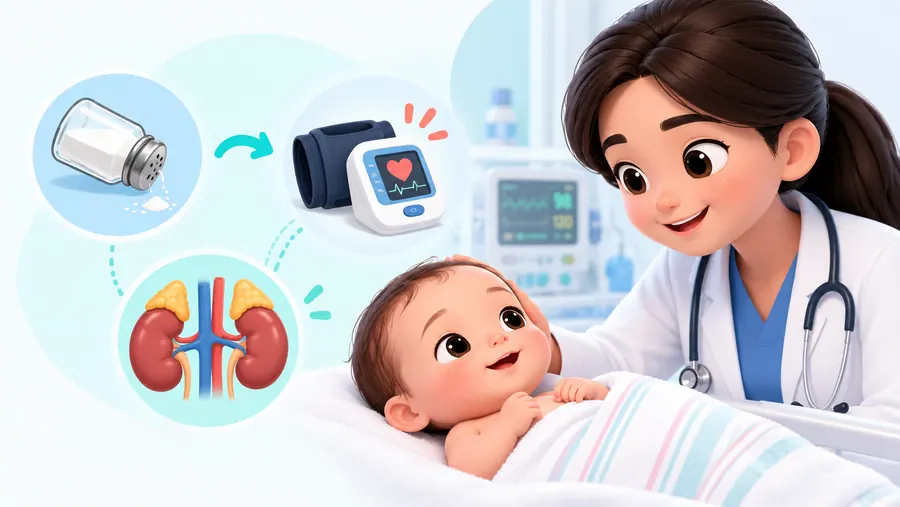
Salt and Blood pressure problem in newborns : Let’s understand CAH !
Congenital Adrenal Hyperplasia (CAH) is a genetic condition affecting hormone production in the adrenal...

The thyroid gland plays a foundational role in childhood development, regulating cellular metabolism, physical growth velocity, and early brain maturation. Whether presenting as underactivity (Hypothyroidism) or overactivity (Hyperthyroidism), childhood thyroid disorders are among the most readily treatable conditions in pediatric medicine.
The thyroid is a butterfly-shaped endocrine gland situated at the base of the anterior neck. Controlled by thyroid-stimulating hormone (TSH) from the pituitary, it produces Thyroxine (T4) and Triiodothyronine (T3).
In growing children, thyroxine is indispensable for myelination and development of the central nervous system during the first 3 years of life, while continuously driving linear bone growth and metabolic energy throughout childhood and adolescence.
Hypothyroidism (underactive thyroid) results from deficient thyroxine production. Symptoms vary by age:
In Newborns (Congenital Hypothyroidism): Prolonged neonatal jaundice, hoarse cry, poor feeding, large fontanelle, umbilical hernia, and extreme lethargy.
In Older Children & Adolescents (Hashimoto’s / Acquired):
Hypothyroidism is managed simply and safely with Oral Levothyroxine (synthetic T4), taken once daily on an empty stomach 30 to 45 minutes before breakfast.
Hyperthyroidism occurs when the thyroid synthesizes excess hormones, most commonly due to autoimmune Graves’ disease. Hallmark symptoms include:
Treatment involves oral anti-thyroid tablets (Carbimazole / Methimazole) to reduce hormone production and restore metabolic balance.
Routine thyroid evaluation by a pediatric endocrinologist ensures prompt detection, simple treatment, and vibrant, active childhood growth.
Consult our specialist for personalised guidance and care.