
DR SMITA RAMACHANDRAN
Pancreatic Transplant in children with T1DM !
Pancreatic Transplant (PT) is an advanced surgical intervention designed to restore endogenous insulin production...
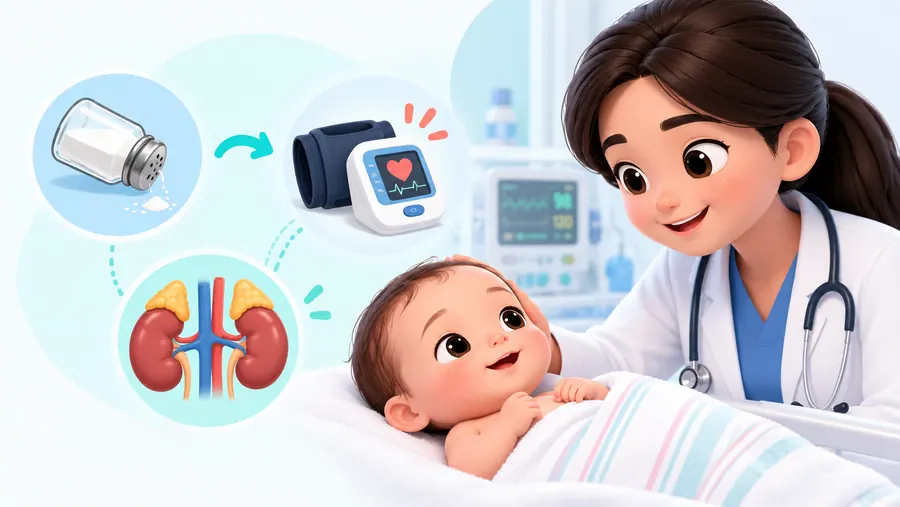
Congenital Adrenal Hyperplasia (CAH) is a genetic condition affecting hormone production in the adrenal glands. Early recognition of salt balance and blood pressure abnormalities in newborns is critical for timely, life-saving medical intervention. This clinical guide explains what CAH is, its causes, warning signs, diagnostic tests, and modern pediatric endocrine management.
CAH stands for Congenital Adrenal Hyperplasia. It is an inherited genetic condition and the second most common endocrine disorder detected through universal newborn screening. In India, CAH is a leading clinical concern, accounting for approximately 38% of all cases of ambiguous genitalia identified in newborns.
CAH is caused by a genetic defect in the enzymes required to synthesize essential steroid hormones in the adrenal glands (most commonly a deficiency in 21-hydroxylase). This enzyme blockage leads to three major metabolic imbalances:
The most common acute presentation in newborns is abnormal blood pressure along with electrolyte imbalances (low Sodium and high Potassium). Symptoms often include:
Low Blood Pressure & Salt Loss
Dehydration & Persistent Vomiting
Loose Stools & Frequent Urination
Low Birth Weight & Poor Gain
Sodium & Potassium Imbalance
Extreme Lethargy & Floppiness
The most severe “salt-wasting” forms can appear as early as 2 weeks after birth in a baby who seemed entirely fine initially. The infant can suddenly develop vomiting, poor feeding, loose stools, and become critically sick and dehydrated very fast. This is a medical emergency termed an adrenal crisis and requires immediate hospital intervention.
Yes. Female newborns exposed to excess androgens in utero may have physical genital changes recognizable immediately at birth:
These external genital variations offer a life-saving early clinical clue for timely diagnosis before severe salt-wasting begins.
Diagnosis involves standardized clinical and biochemical protocols:
Heel-prick blood spot test taken 48–72 hours after birth tests for elevated 17-hydroxyprogesterone.
Serum electrolytes (Sodium, Potassium), plasma renin activity, baseline cortisol, and androgens.
Short ACTH test used in borderline or non-classical cases to confirm impaired cortisol response.
DNA sequencing identifies the exact CYP21A2 gene mutation for tailored management and family counseling.
Once CAH is diagnosed, treatment begins immediately and continues lifelong. It centers on restoring hormone balance:
Hydrocortisone (Replaces Cortisol)
Fludrocortisone (Retains Salt & BP)
Sodium Chloride Supplements
Stress-Dosing for Fevers & Illness
Regular Pediatric Endocrine Reviews
These are oral medications administered daily. The exact dosage is continually tailored by your Pediatric Endocrinologist to balance optimal linear growth without overtreatment.
Yes, absolutely! Once treatment is started and hormone levels are stabilized, children with CAH lead normal, active, and fulfilling lives. They attend regular school, participate in athletic activities, achieve healthy adult height, and can have biological children of their own as adults.
Ongoing monitoring by your Pediatric Endocrinologist ensures continuous growth assessment, regular electrolyte balance checks, and peace of mind for parents.
Consult our specialist for personalised guidance and care.