DR SMITA RAMACHANDRAN
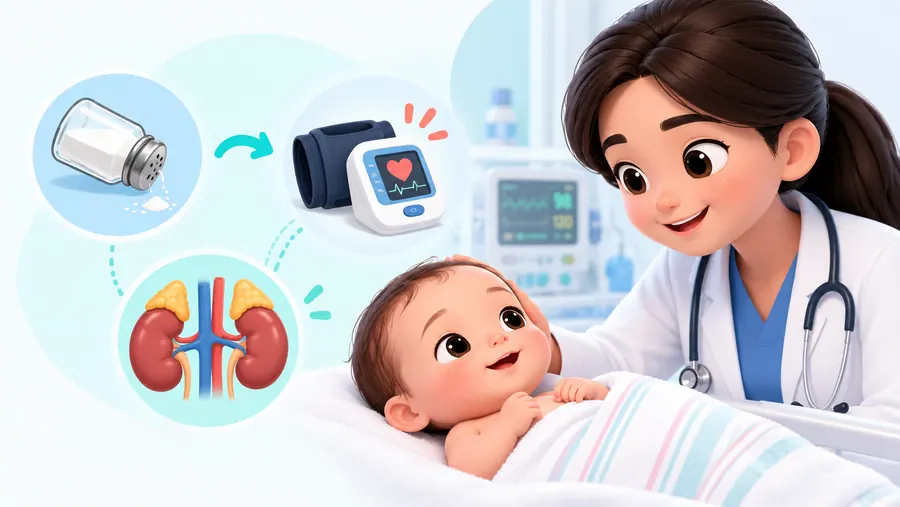
Salt and Blood pressure problem in newborns : Let’s understand CAH !
Congenital Adrenal Hyperplasia (CAH) is a genetic condition affecting hormone production in the adrenal...

Polycystic Ovarian Syndrome (PCOS) is a common endocrine disorder affecting up to 10% of adolescent girls. Marked by an imbalance between female reproductive hormones and androgens (male hormones), accompanied by insulin resistance, PCOS requires careful pediatric endocrine diagnosis to prevent mislabeling normal pubertal transitions.
PCOS is an endocrine and metabolic condition characterized by excess androgen production (testosterone) from the ovaries and adrenals, accompanied by an impaired ratio of luteinizing hormone (LH) to follicle-stimulating hormone (FSH). This disrupts regular ovulation and causes multiple immature follicles (cysts) to accumulate along the ovarian cortex.
Underlying Insulin Resistance is a major pathophysiological driver; elevated insulin levels directly stimulate the ovaries to produce excess testosterone and promote abdominal weight gain.
Clinical features typically present in mid-to-late adolescence:
Yes, absolutely. While 75% to 80% of affected girls are overweight, normal-weight or lean teenagers can also have PCOS. In lean PCOS, hyperandrogenism and ovarian dysfunction are often driven by neuroendocrine signaling rather than overt obesity, requiring tailored medical management.
Diagnosing PCOS in adolescents requires strict international pediatric endocrine guidelines (Rotterdam criteria are modified for teens to prevent over-diagnosis):
Persistent menstrual cycle irregularity documented for at least 2 years post-menarche.
Elevated Total and Free Testosterone, DHEAS, and 17-OHP (to rule out Late-Onset CAH).
Fasting insulin, oral glucose tolerance test (OGTT), and serum lipid panel.
High-resolution transabdominal ultrasound measuring ovarian volume (>12 mL) and follicle count.
Management focuses on restoring hormone balance, clearing skin, and safeguarding long-term fertility:
With timely pediatric endocrine guidance, PCOS can be completely controlled, enabling teenage girls to look and feel their best while safeguarding future reproductive wellness.
Consult our specialist for personalised guidance and care.