DR SMITA RAMACHANDRAN
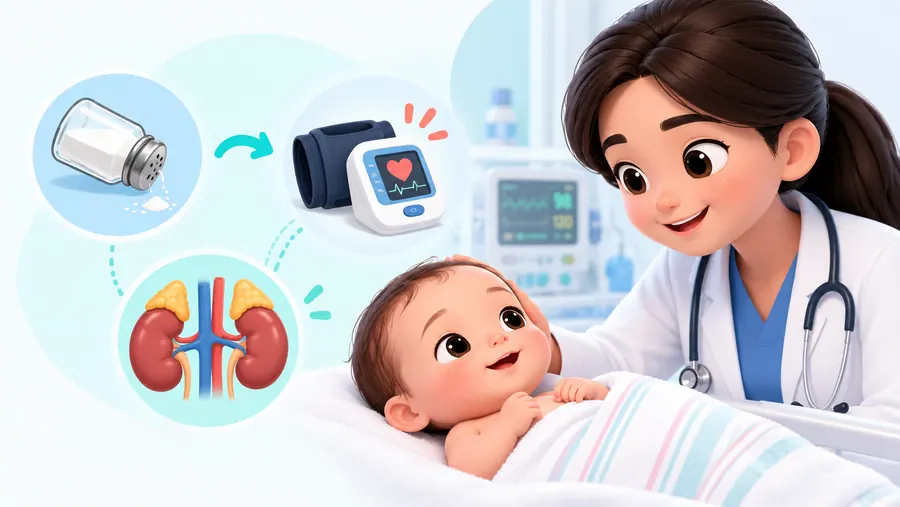
Salt and Blood pressure problem in newborns : Let’s understand CAH !
Congenital Adrenal Hyperplasia (CAH) is a genetic condition affecting hormone production in the adrenal...

Hyperthyroidism occurs when an overactive thyroid gland synthesizes and secretes excessive concentrations of thyroid hormones (Thyroxine/T4 and Triiodothyronine/T3). In children and adolescents, this hypermetabolic state accelerates growth velocity, causes profound behavioral changes, and requires prompt endocrine management.
Hyperthyroidism is a state of thyroid gland hyperfunction leading to elevated circulating Free T4/T3 and a suppressed TSH. In children and adolescents, the leading etiologies include:
The hypermetabolic state affects physical stamina, mood, and sleep:
Confirms suppressed serum TSH (<0.01 mIU/L) with elevated Free T4 and Free T3 levels.
Elevated levels confirm autoimmune Graves’ disease etiology.
Technetium-99m pertechnetate scan demonstrating diffusely increased uptake in Graves’ disease.
Assesses gland vascularity (“thyroid inferno” on Doppler) and detects any focal nodules.
1. Medical Anti-Thyroid Therapy: The primary first-line treatment is oral Carbimazole or Methimazole, which blocks thyroid peroxidase and prevents new hormone synthesis. Dosing is titrated every 4–8 weeks based on Free T4 levels.
2. Symptomatic Beta-Blockers: Oral Propranolol is temporarily administered during the first 2–4 weeks to rapidly control heart rate, tremors, and anxiety.
Prognosis: Children typically show noticeable clinical improvement within 3 to 6 weeks. Treatment is continued for 18 to 24 months, after which medication is gradually tapered. Eye bulging and thyroid swelling gradually resolve with normalization of hormone levels.
Under specialized pediatric endocrine supervision, hyperthyroidism is safely brought into full clinical remission, restoring your child’s calm and vitality.
Consult our specialist for personalised guidance and care.